Look at the assemblies that perform the work
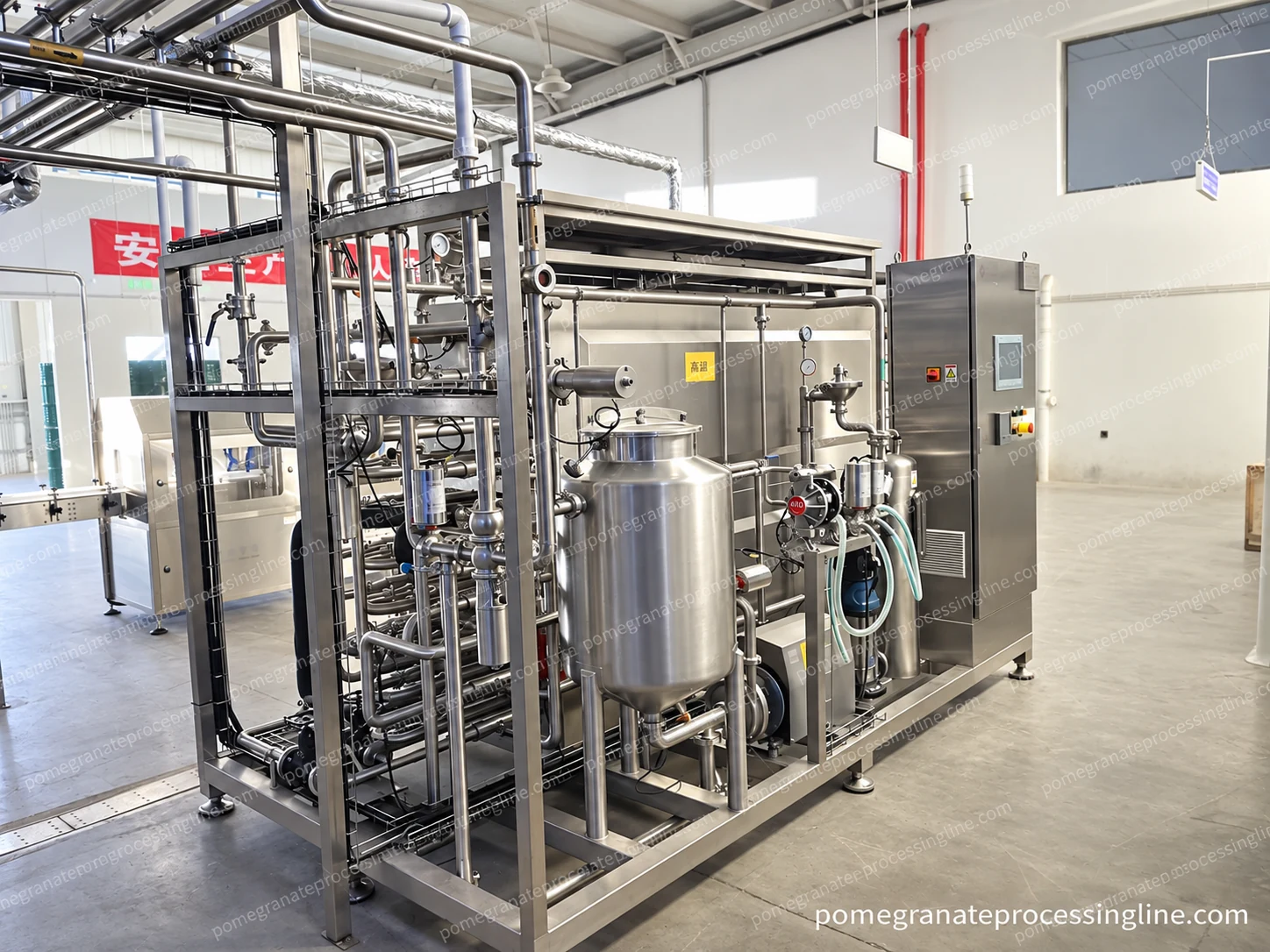
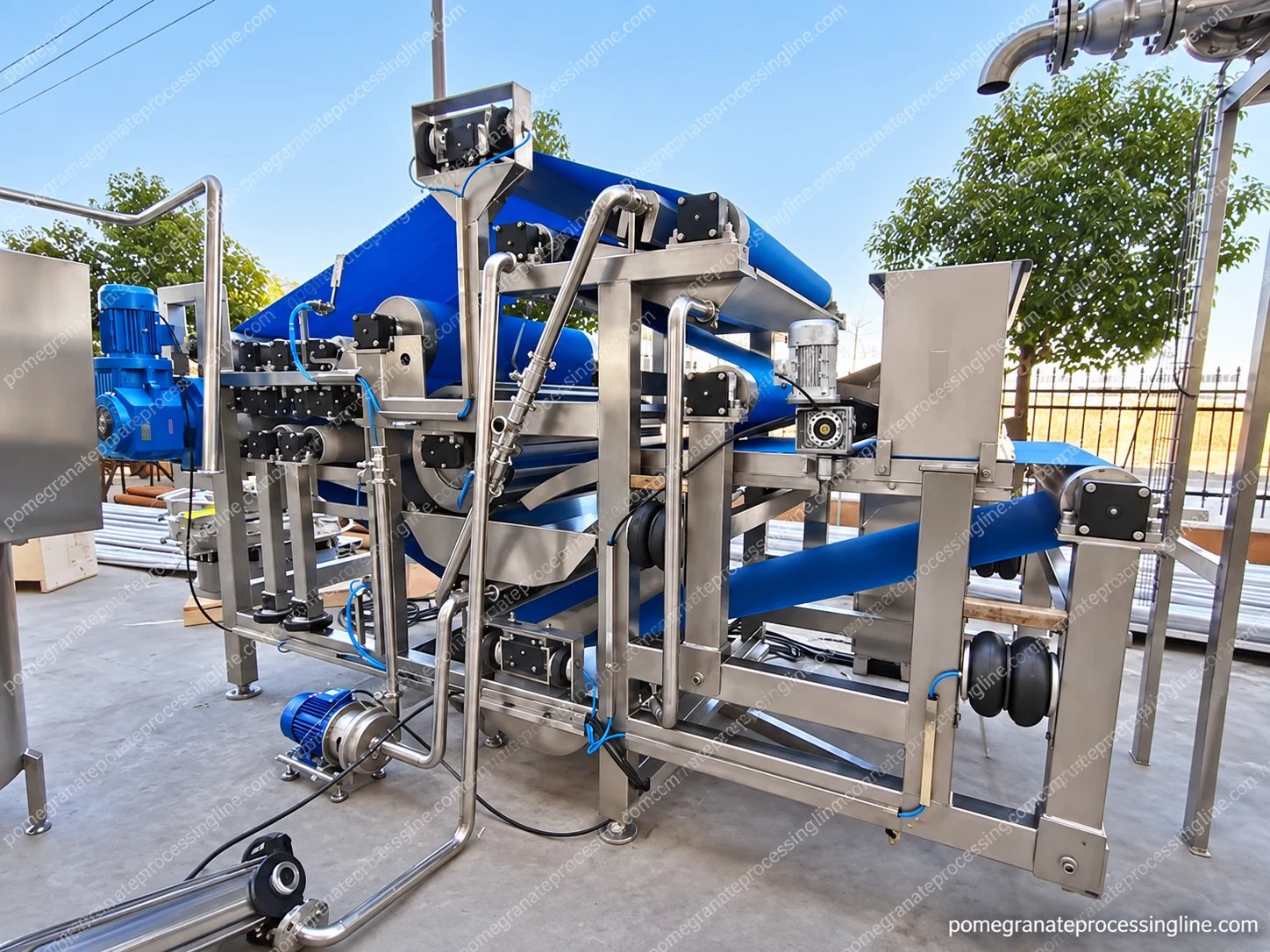
The belt press combines belts, rollers, drives and a collection arrangement. A thermal skid brings tube assemblies, pipework, valves and controls onto a common structure. The CIP station combines its vessels with supply and return equipment. These physical arrangements determine cleaning access, service space and the installation connections.
Manufacture and integration include mechanical assemblies, selected drive and instrument components, controls and connecting pipework within the specified scope. Material grade, product-contact surfaces, drain points and access provisions belong in the equipment documentation and inspection plan.
Use the drawings to define the delivered system
Process design and layout work connect the equipment schedule to the building. The package can cover material-flow diagrams, equipment positions, utility connections and control interfaces. A layout also needs maintenance space, waste removal and the movement of filled bags or drums.
An existing press, preparation area or filler can stay within the process while remaining outside the new equipment supply. Marking those interfaces clearly prevents an assumed connecting pump, working platform or electrical signal from becoming an installation gap.
Separate equipment checks from product acceptance
Factory checks address the supplied assemblies and agreed control functions. Site work then addresses the real connections, utility supply and interaction with adjacent equipment. Installation and commissioning can include mechanical positioning, piping connections, control checks and coordinated operation within the agreed project scope.
Product acceptance adds representative arils or juice and the specified measurements. Feed and output, product quality, filled-pack results and cleaning performance are recorded on defined boundaries. A successful water run or isolated motor test does not establish a juice-recovery or finished-product result.
Prepare operators for production and care
Training can cover the supplied equipment’s operating states, product routing, cleaning sequences and routine inspection. The handover scope can also include operating documents, identified wear parts, spare-parts support and remote or site assistance.
For seasonal production, maintenance planning should include the condition before start-up, the checks made during a campaign and the shutdown cleaning and storage procedure. Service access and component identification are designed into the installation so routine care remains practical after commissioning.